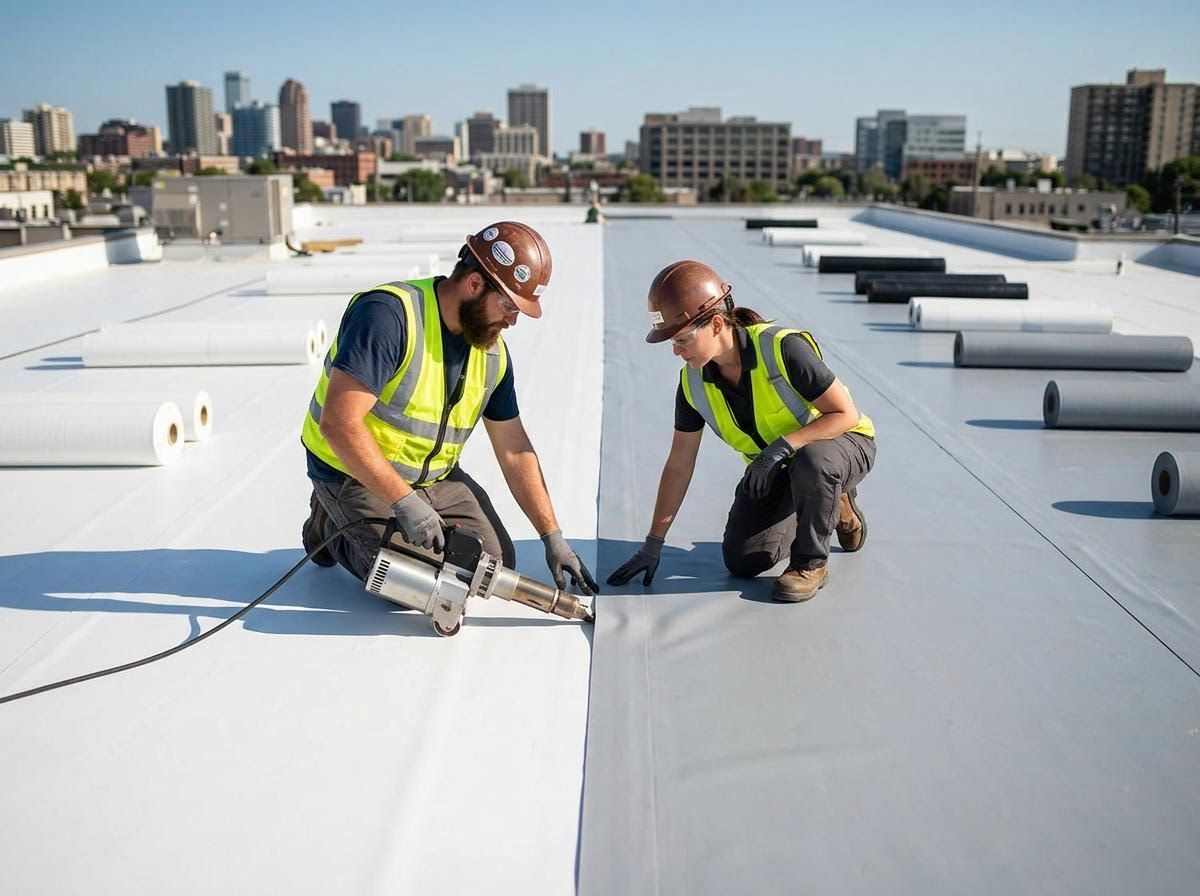
When it comes to selecting a flat roofing system for your commercial property, the choice between TPO (Thermoplastic Polyolefin) and PVC (Polyvinyl Chloride) often comes to the forefront. Both materials offer distinct advantages, making them popular options for businesses seeking durable and efficient solutions. Understanding the nuances of each can significantly impact your building's long-term performance and cost-effectiveness. At Strata Roofing & Construction, we believe an informed decision is the best decision for your valuable asset.
Understanding TPO Roofing
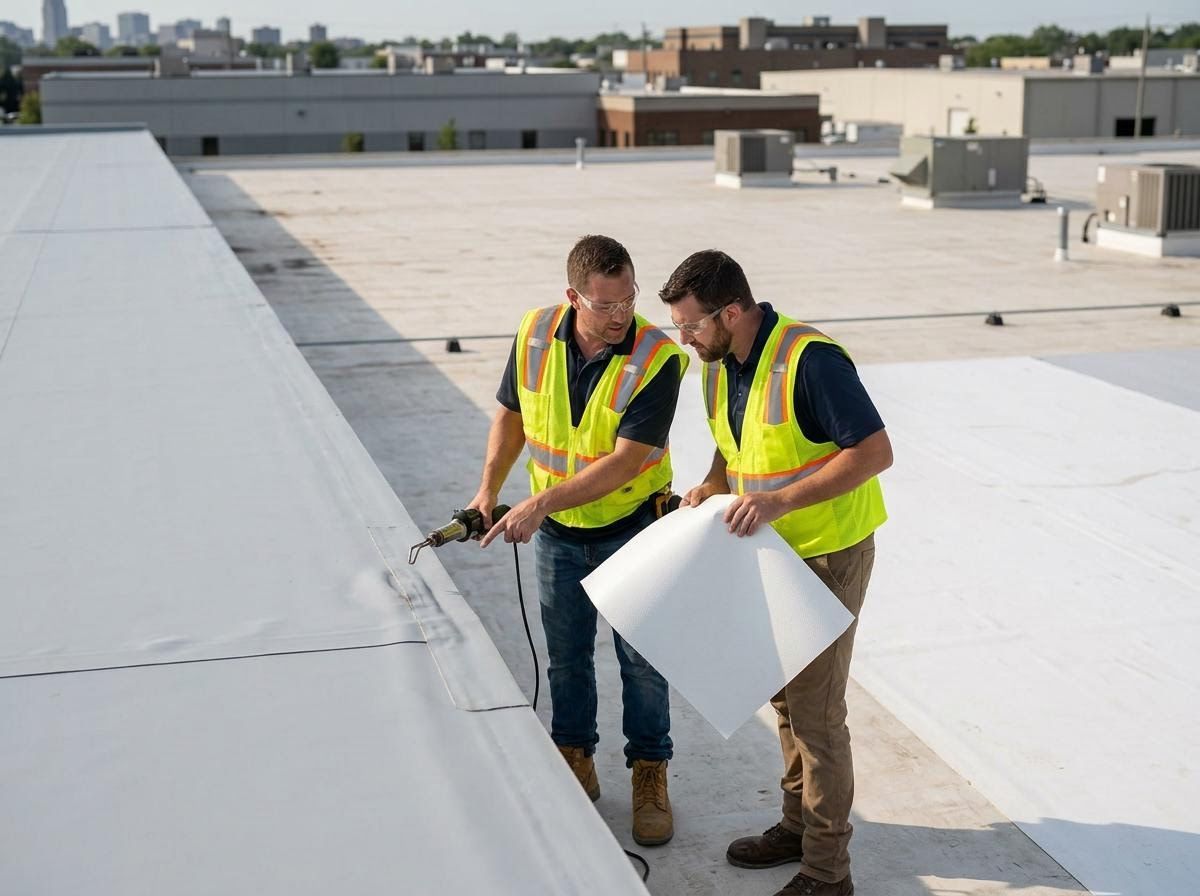
TPO roofing has rapidly gained popularity in the commercial sector due to its excellent performance and cost-efficiency. It is a single-ply membrane made from a blend of polypropylene and ethylene-propylene rubber, offering superior flexibility and strength. One of TPO's primary benefits is its energy efficiency; the light-colored surface reflects sunlight, reducing cooling costs during warmer months. Installation is often quicker and more straightforward than other systems, with seams heat-welded to create a strong, waterproof bond. While durable and resistant to punctures and tears, it's also a more environmentally friendly option compared to some traditional roofing materials.
Exploring PVC Roofing
PVC roofing is another robust single-ply membrane known for its exceptional longevity and performance in demanding environments. Made from polyvinyl chloride, this material boasts inherent fire resistance and superior chemical resistance, making it ideal for restaurants, factories, and other facilities where grease, oils, or chemical runoff might be present. PVC membranes are also incredibly strong at their seams, which are hot-air welded to form a monolithic, watertight surface. This strength contributes to PVC's impressive lifespan, often outperforming many other flat roofing options. Property owners often choose PVC for its proven track record and ability to withstand harsh conditions.

Key Differences and Considerations
Choosing between TPO and PVC involves weighing several factors specific to your commercial property's needs. While both offer heat-welded seams for excellent waterproofing, PVC generally offers superior chemical resistance and a longer proven track record in extreme conditions. TPO, on the other hand, often comes with a lower initial material cost and can be more flexible, which can be advantageous during roofing installation. Both materials provide good energy efficiency due to their reflective surfaces, though specific formulations can vary. Considering your local climate, potential exposure to chemicals, budget, and desired lifespan will help dictate the best choice for your investment. Effective roofing repairs for either system require specialized knowledge and equipment to maintain integrity.
Ultimately, the decision between TPO and PVC for your commercial property's flat roof system depends on a thorough evaluation of your specific requirements, budget, and long-term goals. Both materials offer compelling benefits in terms of durability, energy efficiency, and low maintenance, ensuring a reliable protective layer for your business. For optimal results, including comprehensive roofing repairs and residential roofing needs, it is always best to consult with experienced professionals. To discuss which option is best suited for your property and to ensure a top-quality roofing installation, reach out to Strata Roofing & Construction to explore tailored solutions for your building.