
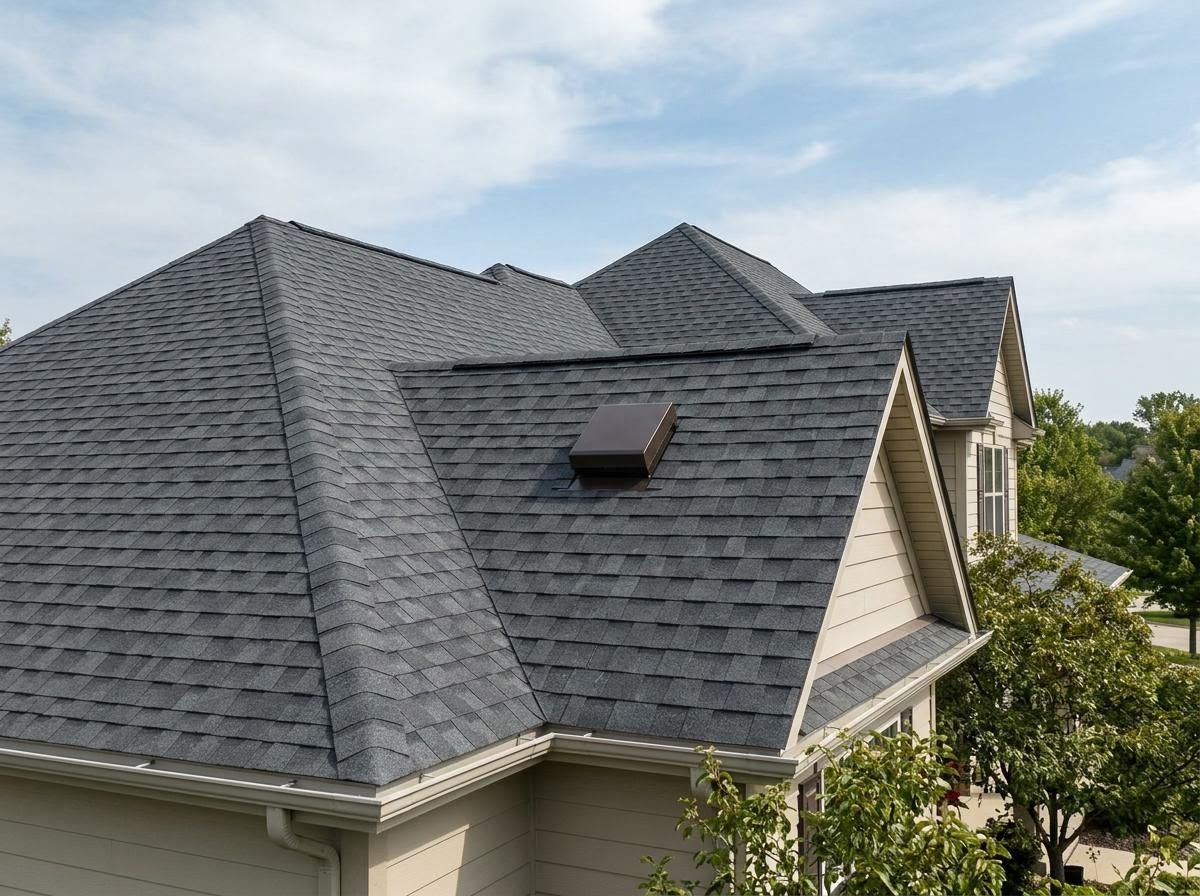
Proper roof ventilation is a critical, yet often overlooked, component of a healthy and long-lasting residential roofing system. It plays a vital role in maintaining your home's energy efficiency, preventing moisture buildup, and protecting the structural integrity of your roof. When considering your options for optimal airflow, two common types often come to mind: ridge vents and box vents. At Strata Roofing & Construction, we understand that choosing the right ventilation system can be complex, and this guide aims to clarify the differences between these two popular choices.
The Importance of Effective Roof Ventilation
A well-ventilated roof is essential for a comfortable and efficient home. In warmer months, proper ventilation allows hot air to escape your attic, preventing it from overheating and radiating heat down into your living spaces. This reduces the strain on your air conditioning system and can lead to significant energy savings. During colder periods, ventilation helps to prevent moisture buildup in the attic, which can lead to issues like mold, mildew, and rotting of the roof decking and framing. Without adequate airflow, moisture can accumulate, potentially compromising the integrity of your entire residential roofing structure and leading to costly roofing repairs down the line.
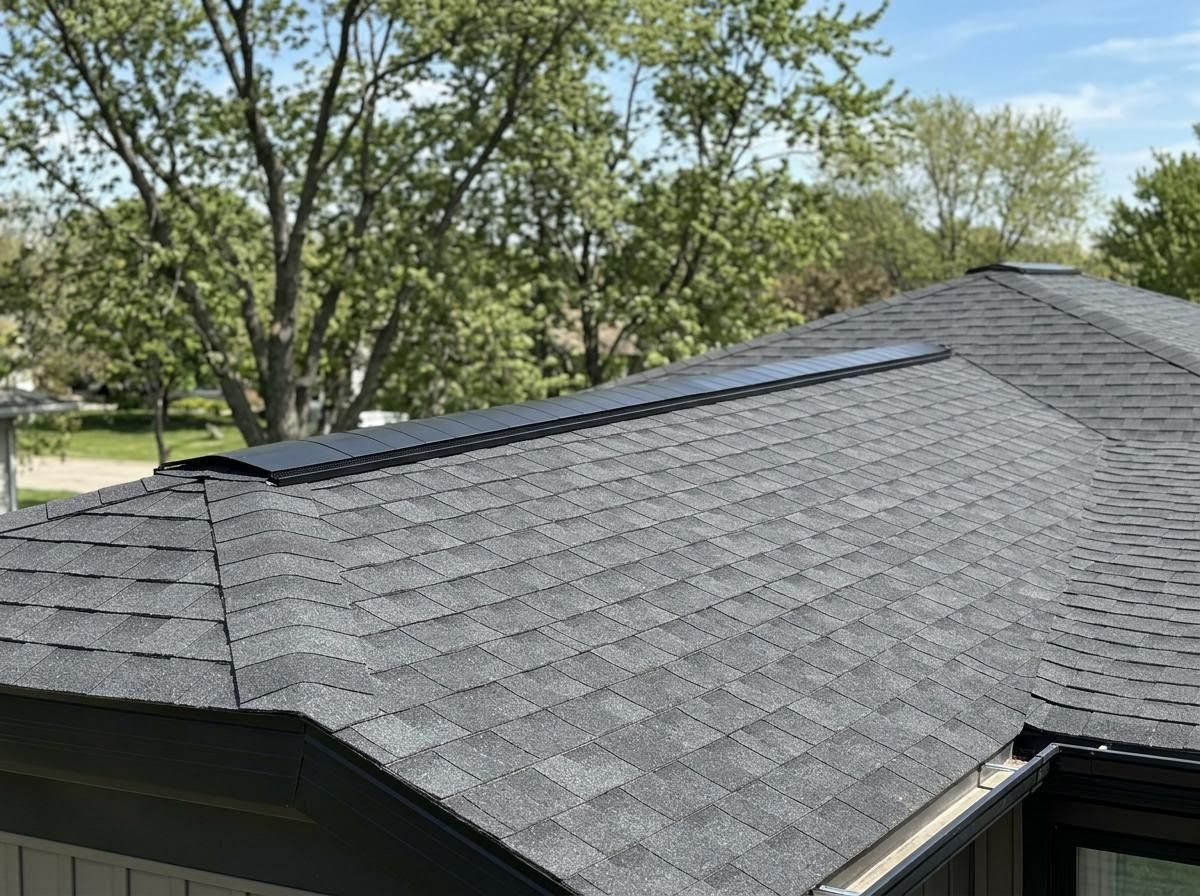
Understanding Ridge Vents
Ridge vents are a highly effective and aesthetically pleasing ventilation solution, designed to provide continuous, uniform airflow along the highest point of your roof. Installed along the entire peak of the roof, these vents create a continuous opening that allows hot, moist air to escape naturally as cooler air is drawn in through soffit vents at the eaves. Their low-profile design means they are barely visible from the ground, seamlessly blending with your roofline. Ridge vents are excellent for providing balanced ventilation across the entire attic space, making them a popular choice for new roofing installation and replacements due to their efficiency and discreet appearance.
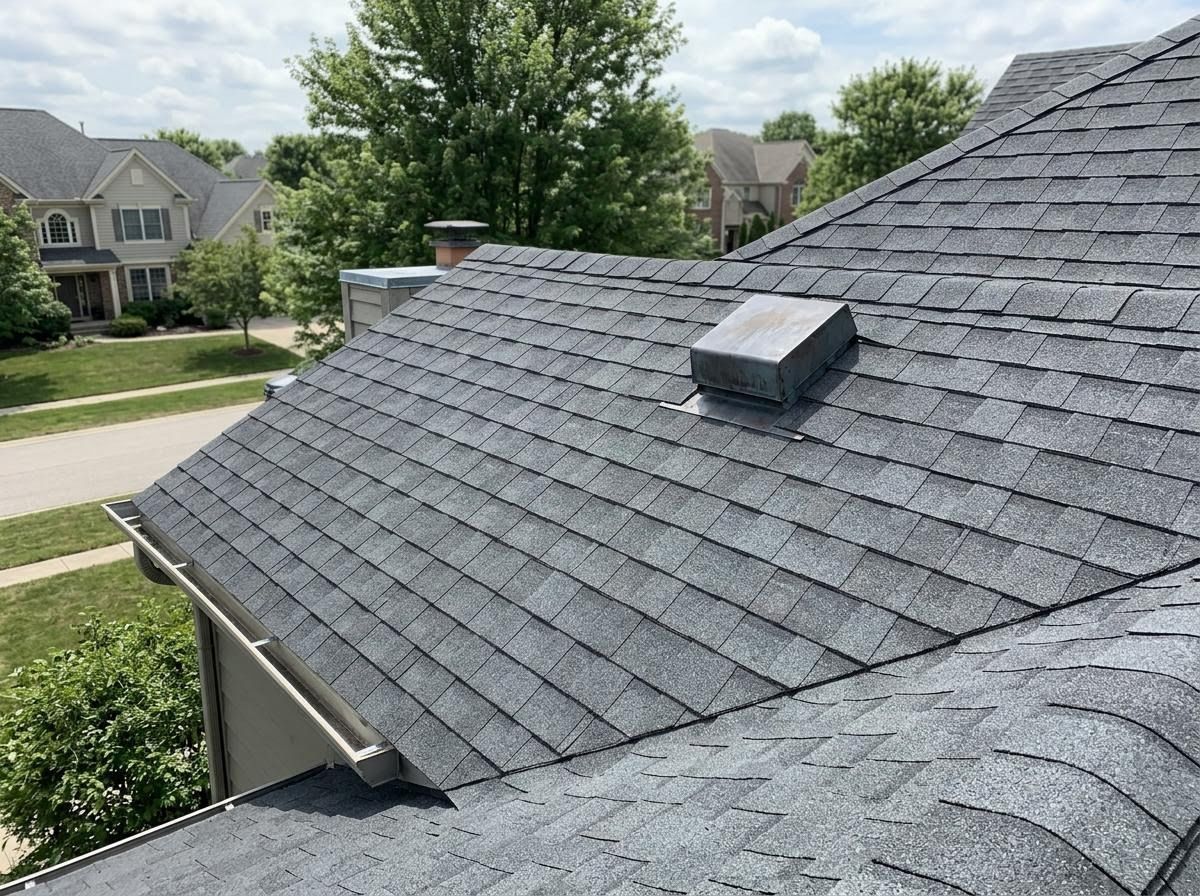
Exploring Box Vents
Box vents, also known as static or low-profile vents, are individual, stationary vents typically installed at various points across the roof surface. These vents rely on natural convection and wind currents to draw hot, moist air out of the attic. While they do not offer the continuous, uniform airflow of a ridge vent, box vents are a durable and cost-effective option for many homes. They are often used when a ridge vent is not feasible due to roof design or as supplemental ventilation in areas that may require additional airflow. The installation process for box vents is generally straightforward, making them a practical choice for specific ventilation needs.
Making the Right Choice for Your Home
Deciding between ridge vents and box vents involves considering several factors specific to your home and climate. Ridge vents are often preferred for their superior performance and aesthetic appeal, providing more consistent ventilation that can contribute to longer-term roof health and fewer roofing repairs. However, the existing design of your roof, its pitch, and your budget can all influence the best choice. For some homeowners, a combination of ventilation types or a carefully planned box vent arrangement might be more suitable. Consulting with an experienced professional ensures that your home receives the most effective ventilation system tailored to its unique requirements, protecting your investment in your roofing installation.
Choosing the right ventilation system is a critical decision that impacts the longevity and efficiency of your residential roofing. Both ridge vents and box vents offer distinct advantages, and understanding their functions is key to making an informed choice. Proper ventilation prevents common problems like premature deterioration and expensive roofing repairs, safeguarding your home for years to come. For expert advice on selecting the ideal ventilation system for your home and ensuring professional roofing installation, explore the resources available on the Strata Roofing & Construction website.