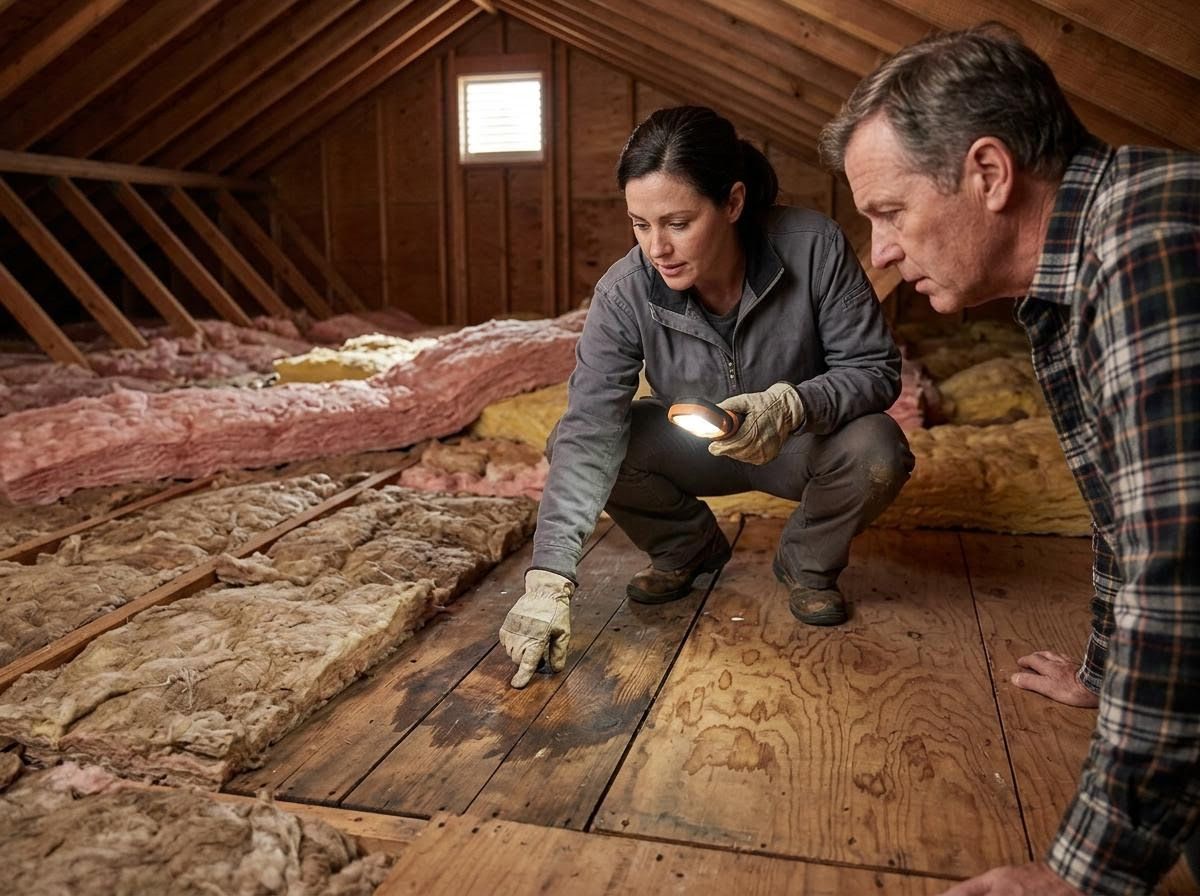
Proper attic insulation is more than just a comfort feature; it's a vital component in protecting the structural integrity of your home's roof, especially its decking. Many homeowners might not realize the intricate connection between a well-insulated attic and the longevity of their roof, but inadequate insulation can lead to a host of hidden issues. At Strata Roofing & Construction, we understand that a healthy roof starts from within, and often, the silent culprit behind significant roof damage is poor attic insulation.
The Critical Role of a Thermal Barrier
Your attic serves as a crucial buffer zone between your living space and the outdoors. Effective insulation acts as a thermal barrier, regulating the temperature within the attic and preventing excessive heat transfer. When insulation is insufficient or improperly installed, conditioned air from your home can escape into the attic during colder months, warming the attic space unnecessarily. Conversely, in warmer climates, hot attic air can push downwards, reducing your home's energy efficiency. This constant temperature imbalance directly impacts your roof decking, which is the foundational layer beneath your shingles.
Moisture Accumulation and Wood Rot
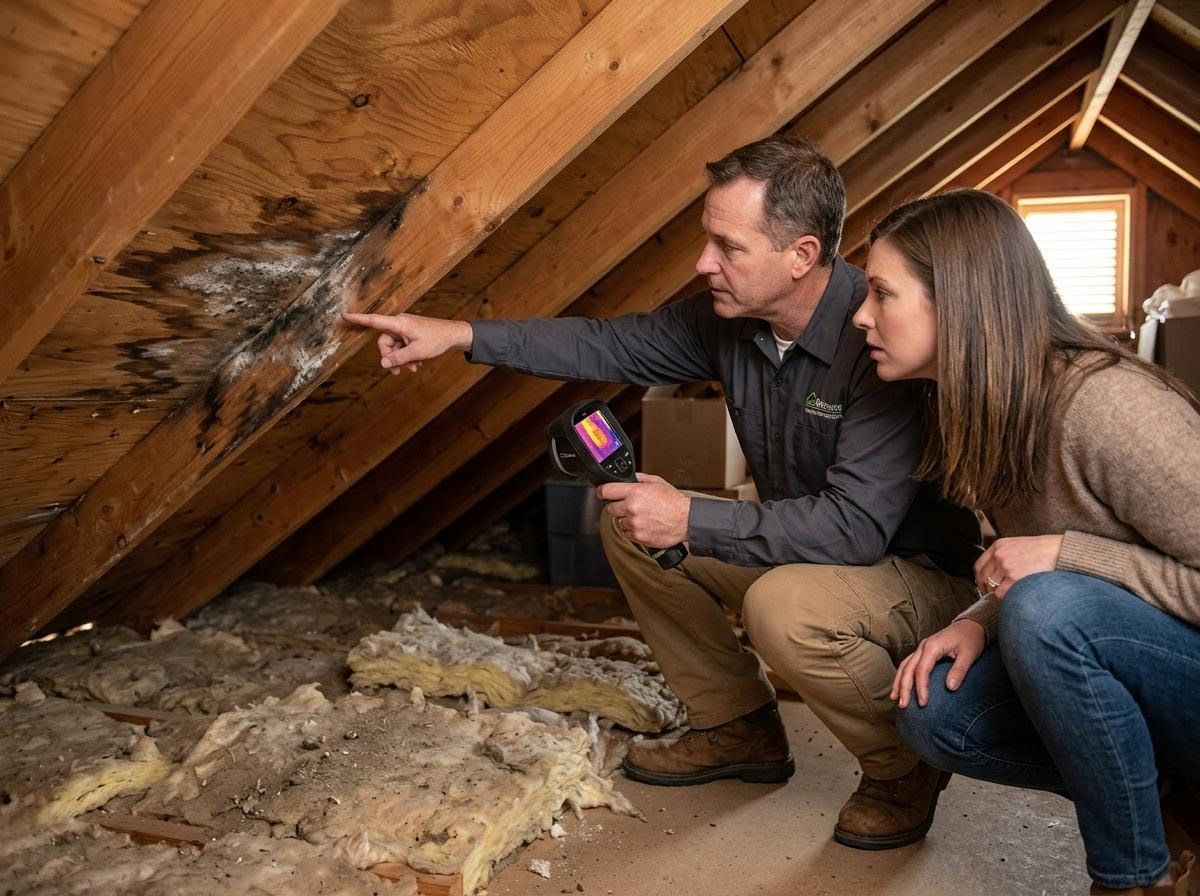
One of the most insidious dangers of poor attic insulation is its contribution to moisture problems. When warm, humid air from your home rises into a poorly insulated, cold attic, it meets the cooler surfaces of the roof decking. This temperature differential leads to condensation, much like moisture forming on a cold glass on a warm day. Over time, this consistent condensation can saturate the wood decking, creating a prime environment for mold growth and, more critically, wood rot. Rotting decking compromises the structural integrity of your residential roofing, making it weaker and less able to support the weight of the roofing materials or withstand severe weather. This often necessitates extensive roofing repairs.
The Destructive Impact of Ice Dams
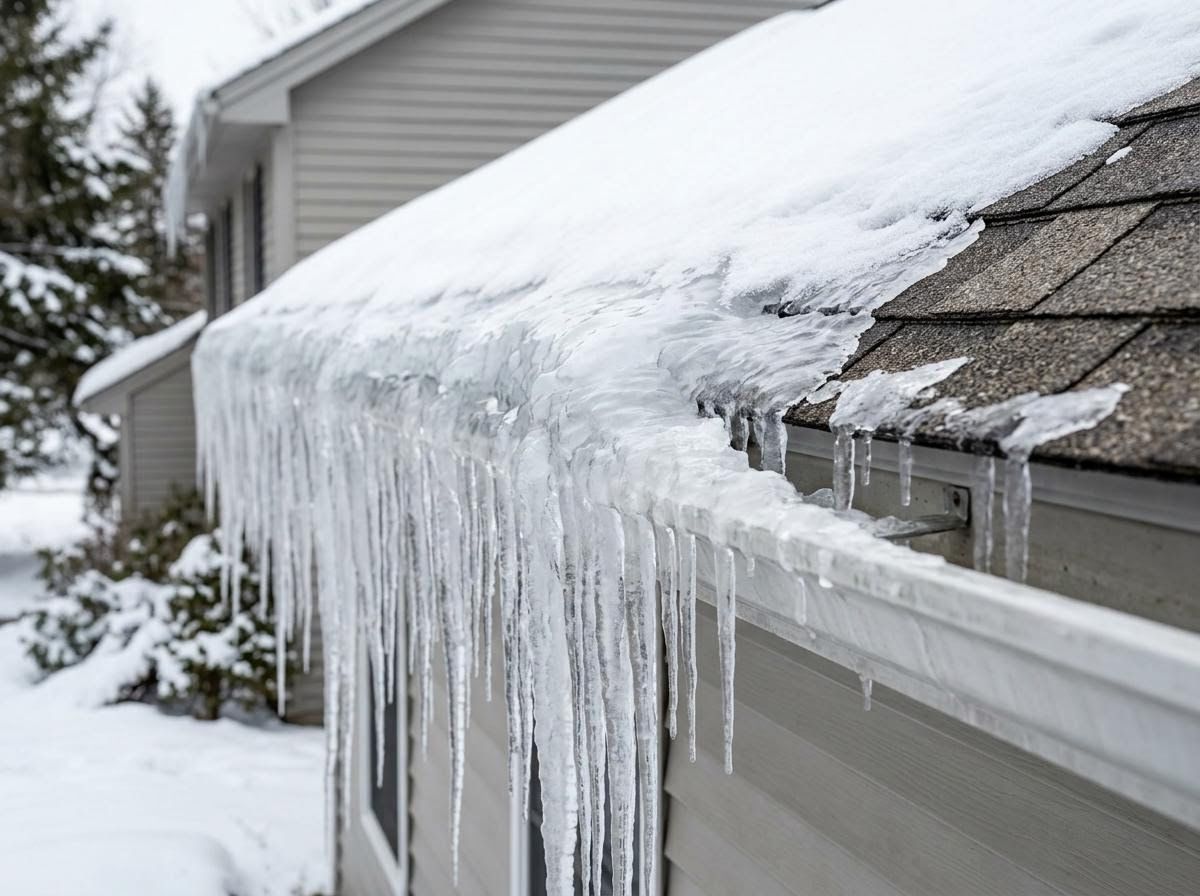
In colder regions, inadequate attic insulation is a primary cause of ice dam formation. Heat escaping from your home warms the attic and, subsequently, the roof surface directly above it. This warmth melts snow on the upper parts of your roof, even when ambient temperatures are below freezing. As this melted water flows down the roof and reaches the colder eaves, where there's less heat transfer, it refreezes, forming a ridge of ice known as an ice dam. These dams prevent further melted snow from draining off the roof, causing water to back up under your shingles. This standing water can seep into your attic, saturating the roof decking, damaging insulation, and leading to interior leaks and costly damage.
Decreased Energy Efficiency and Roof Lifespan
Beyond the direct structural damage, insufficient attic insulation also significantly impacts your home's energy efficiency. Your heating and cooling systems work harder to maintain comfortable indoor temperatures as conditioned air escapes into the attic, leading to higher utility bills. Moreover, the constant cycles of temperature fluctuation and moisture stress, exacerbated by poor insulation, accelerate the wear and tear on your roof decking and overall roofing system. This premature aging can drastically shorten the lifespan of your roof, potentially requiring costly roofing installation much sooner than anticipated.
Protecting your home's roof decking from the hidden dangers of inadequate attic insulation is crucial for its longevity and your family's comfort. Understanding the interconnectedness of a well-insulated attic and a durable roof system is key to preventing costly damage, from moisture intrusion and wood rot to destructive ice dams and reduced energy efficiency. Strata Roofing & Construction emphasizes the importance of a holistic approach to residential roofing, ensuring every component works together to protect your home. If you suspect your attic insulation might be inadequate or are noticing signs of roof damage, we encourage you to consult with experienced professionals to ensure the long-term health and efficiency of your residential roofing system.