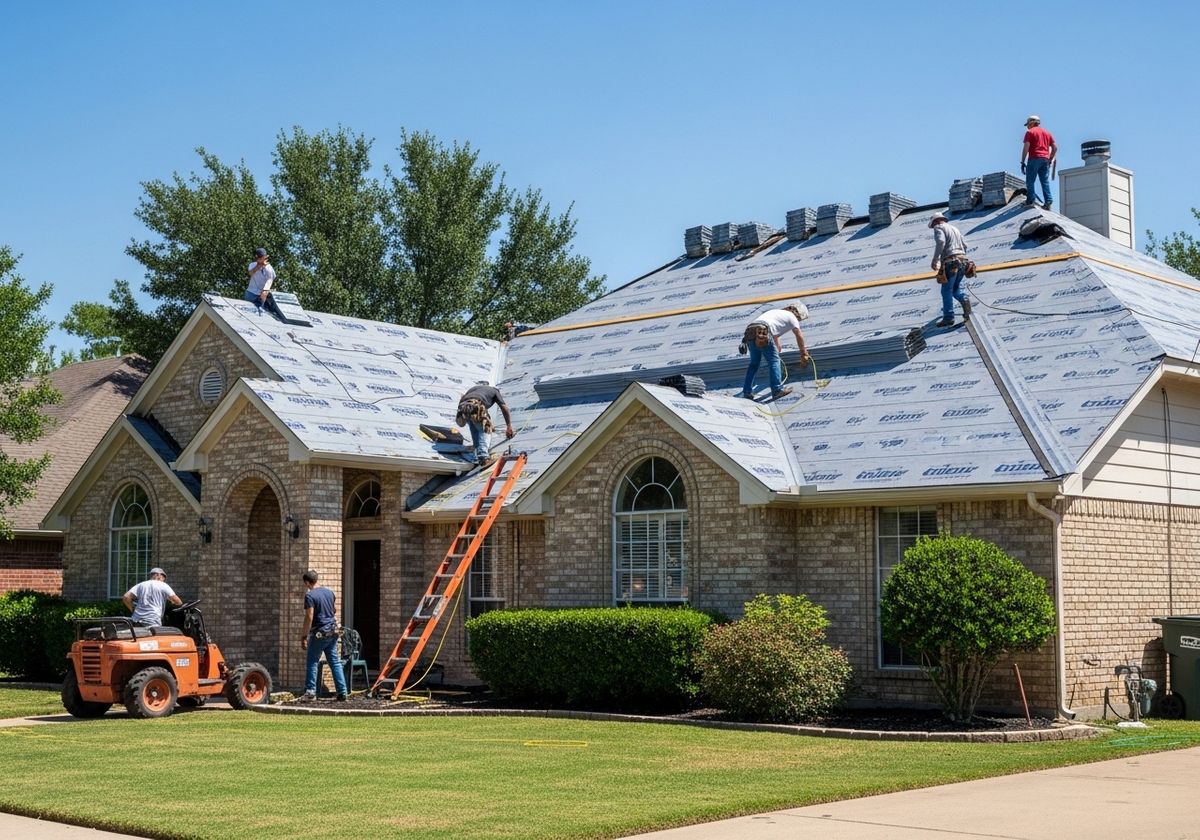
Maintaining the integrity of your roof is crucial for protecting your home and ensuring its longevity. Regular inspections are key to identifying potential issues early, but how these inspections are conducted has evolved significantly. While traditional methods have long been the standard, drone technology now offers an innovative alternative. Strata Roofing & Construction understands that homeowners want the best for their property, and choosing the right inspection method can make all the difference.
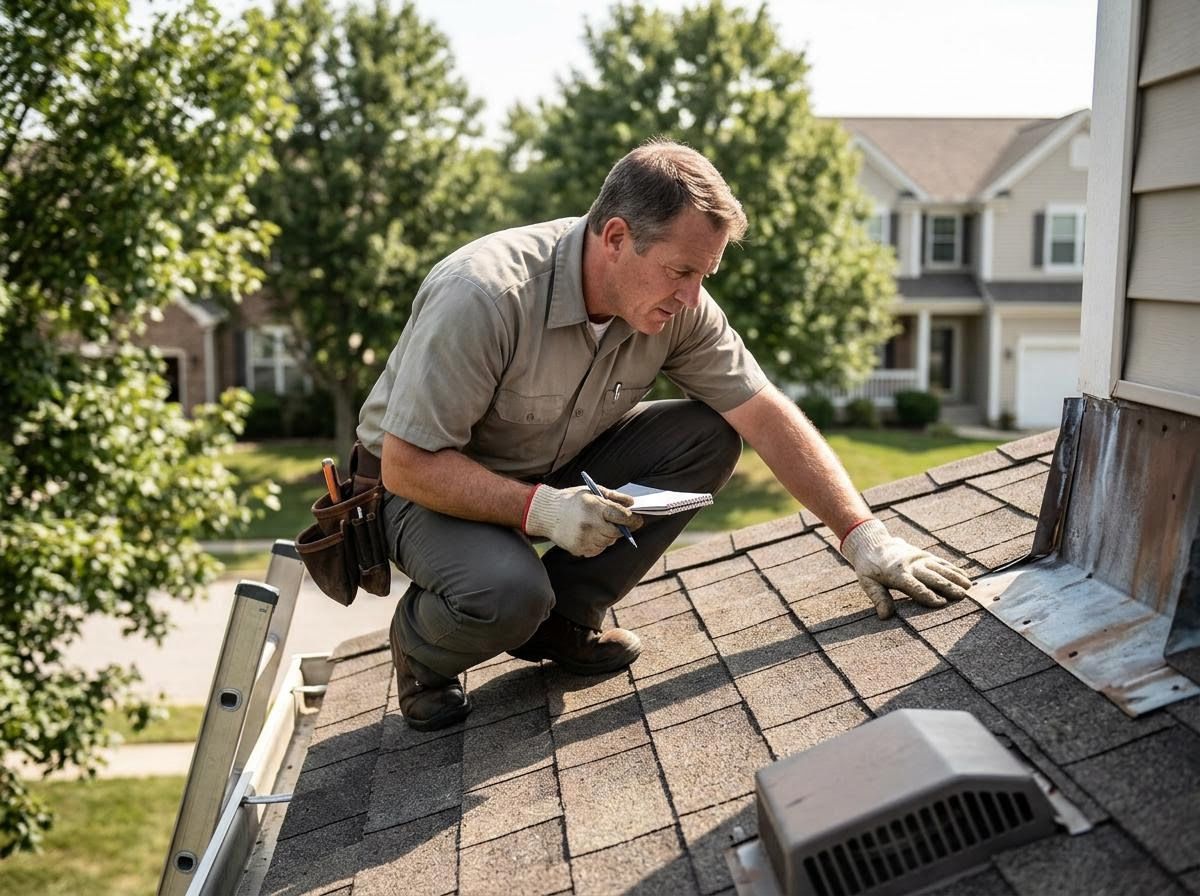
Traditional Roof Inspections: The Hands-On Approach
Traditional roof inspections typically involve a professional physically walking on your roof to examine every detail up close. This method allows for a tactile assessment, where an inspector can feel for soft spots, assess the condition of shingles by hand, and get a very direct view of flashing, gutters, and other critical components. The benefits of this hands-on approach include:
Tactile Assessment: The ability to physically touch and probe areas for damage that might not be visible.
Direct Interaction: A human eye can often spot nuanced issues or anomalies that specialized equipment might miss without context.
Comprehensive Review: Thorough examination of all roof components, from the surface to the gutters and vents.
However, traditional inspections come with their own set of considerations. They can be more time-consuming, involve inherent safety risks for the inspector, and may not be feasible or safe for very steep, high, or structurally compromised roofs.
The Rise of Drone Technology in Roofing
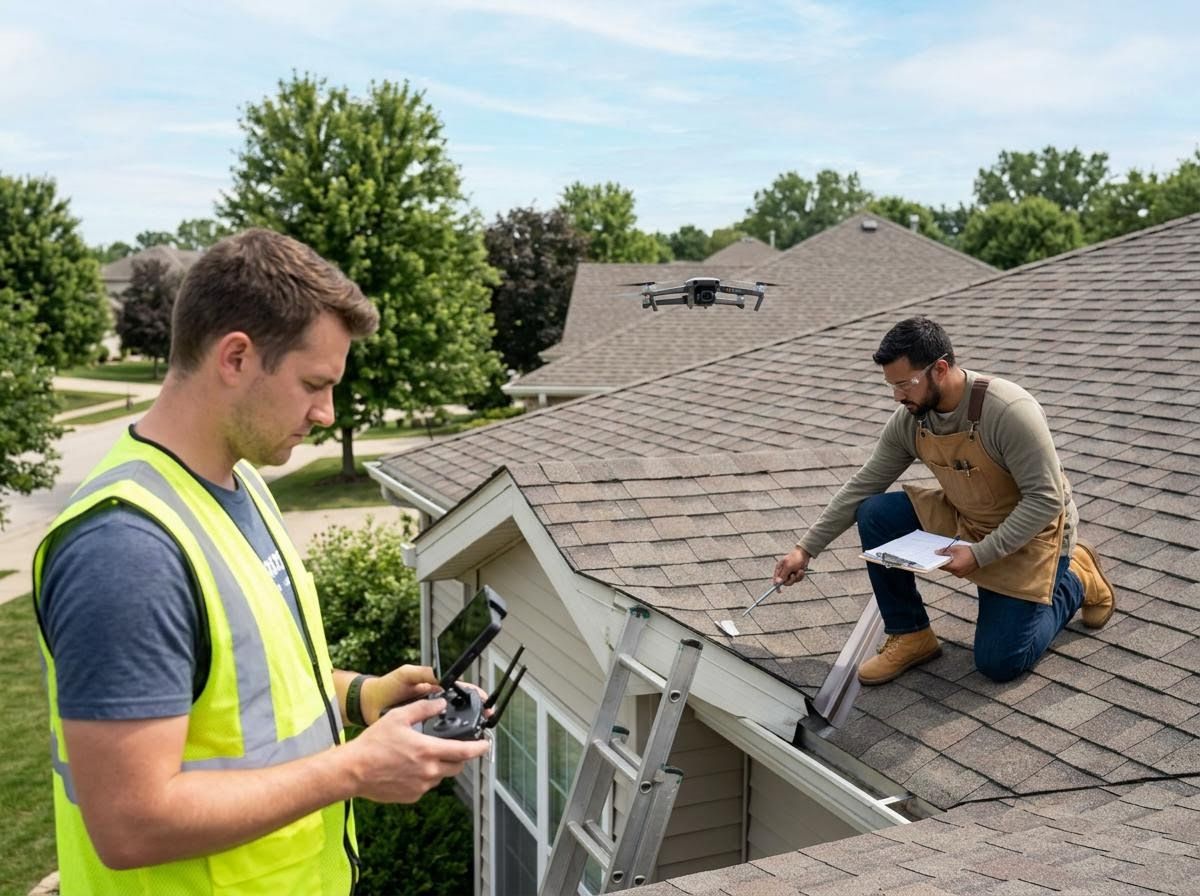
Drone roof inspections leverage advanced aerial technology to provide a high-definition overview of your roof's condition without a person ever needing to set foot on it. Equipped with high-resolution cameras, drones can capture detailed images and videos, even in hard-to-reach areas. The advantages of using drones for inspections are compelling:
Enhanced Safety: Eliminates the risk of falls or injuries associated with manual roof access.
Speed and Efficiency: Drones can complete an inspection much faster than a traditional method, minimizing disruption to your day.
Access to Difficult Areas: Can easily reach steep pitches, high gables, and other inaccessible parts of the roof.
Detailed Documentation: Provides comprehensive visual evidence, often including thermal imaging or 3D modeling, which can be invaluable for insurance claims or future reference.
Cost-Effective: Can sometimes reduce labor costs due to quicker completion times.
While highly efficient, drone inspections do have some limitations. They rely on favorable weather conditions, cannot provide a tactile assessment (feeling for soft spots), and may be subject to regulatory restrictions in certain areas.
Making the Best Choice for Your Property
Deciding between a drone or traditional roof inspection often comes down to your specific circumstances and what you hope to achieve. If your roof has a particularly steep pitch, is exceptionally high, or you have concerns about existing structural damage, a drone inspection offers unparalleled safety and access. For routine checks where a quick, visual overview is sufficient, drones are also an excellent, efficient option.
However, if you suspect subtle damage that requires a physical touch to identify, or if you prefer the thoroughness of a direct, human assessment, a traditional inspection might be more suitable. Often, a combination of both methods can provide the most comprehensive evaluation, utilizing the drone for an initial broad overview and then focusing a traditional inspection on any areas of concern identified by the drone.
Regular roof inspections are a fundamental part of home maintenance, safeguarding your investment and preventing costly future repairs. Understanding the benefits and limitations of both traditional and drone inspection methods empowers you to make an informed decision for your property. For a deeper dive into protecting your roof and understanding your options, consult with a trusted roofing professional who can assess your specific needs.