
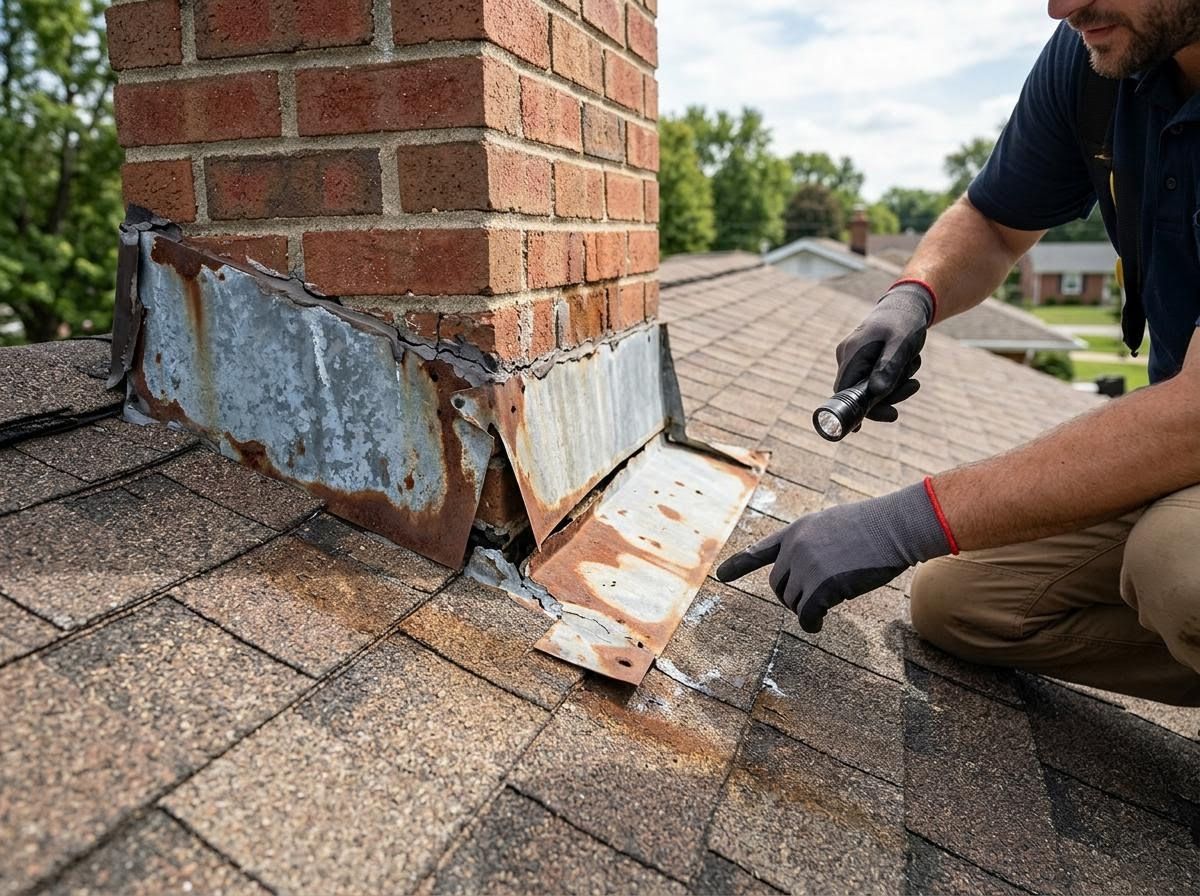
Your roof's flashing is a critical component often overlooked, yet it plays a vital role in protecting your home from water intrusion. These thin pieces of material, typically metal, are installed at vulnerable areas like chimneys, vents, skylights, and valleys to create a watertight seal and divert water away. Recognizing the early signs of damaged flashing can save homeowners from costly repairs down the line, and Strata Roofing & Construction is here to help you understand what to look for.
Understanding Roof Flashing's Purpose
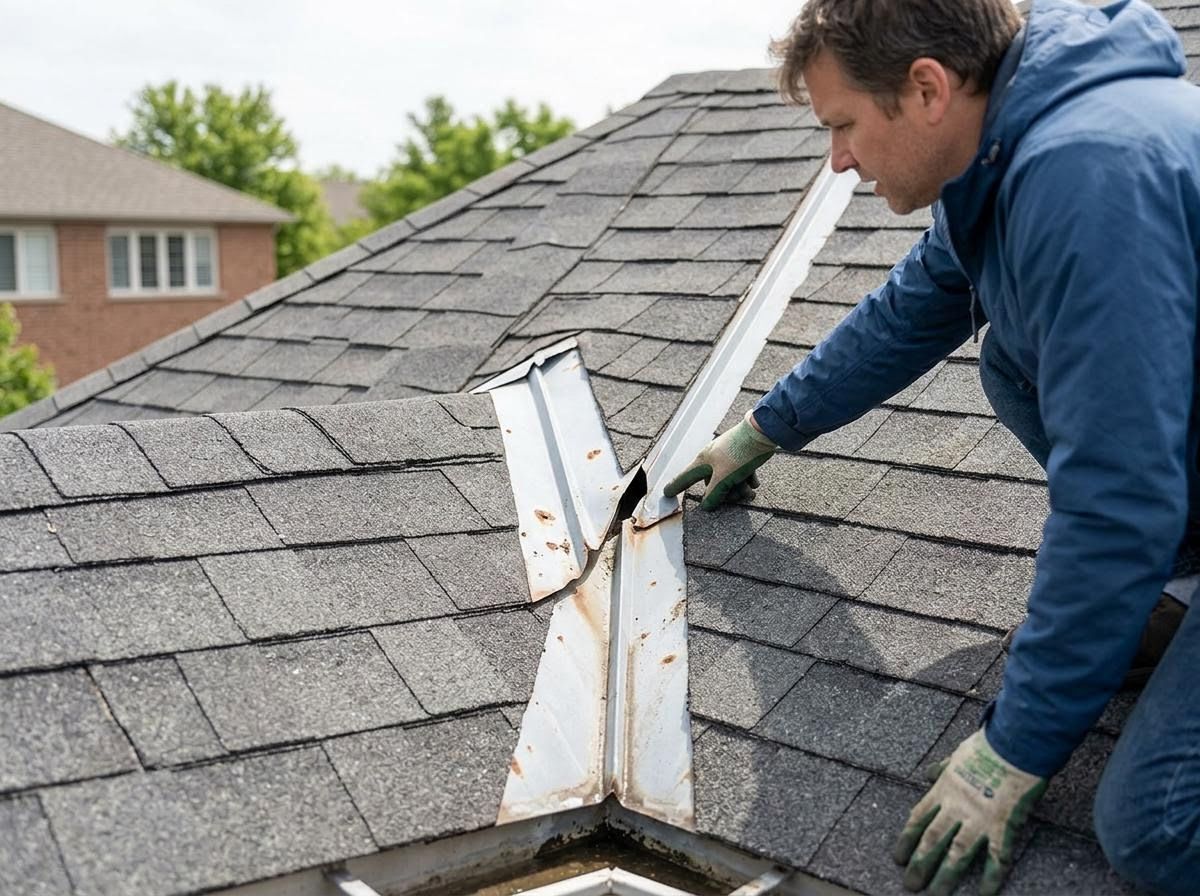
Before diving into signs of damage, it's helpful to understand what roof flashing does. Essentially, it's your roof's secret weapon against leaks in areas where the roof surface is interrupted or changes direction. Without properly installed and maintained flashing, water would easily penetrate these seams and openings, leading to extensive damage to your attic, ceilings, walls, and even your home's foundation. It acts as a durable barrier, channeling water down and off your roof rather than letting it seep into your home's structure.
Visible Indicators of Flashing Damage
One of the easiest ways to identify potential flashing issues is through visual inspection. Look for any signs of rust, corrosion, or significant discoloration on the metal flashing itself. Flashing that appears bent, crumpled, or has come loose from its position is a clear red flag, as this compromises its ability to seal effectively. Cracks or tears in sealant around the flashing are also problematic, indicating that the protective barrier is no longer intact. If you can see gaps between the flashing and the adjacent roof components, it’s highly likely water is finding its way in.
Interior Clues of Flashing Failure
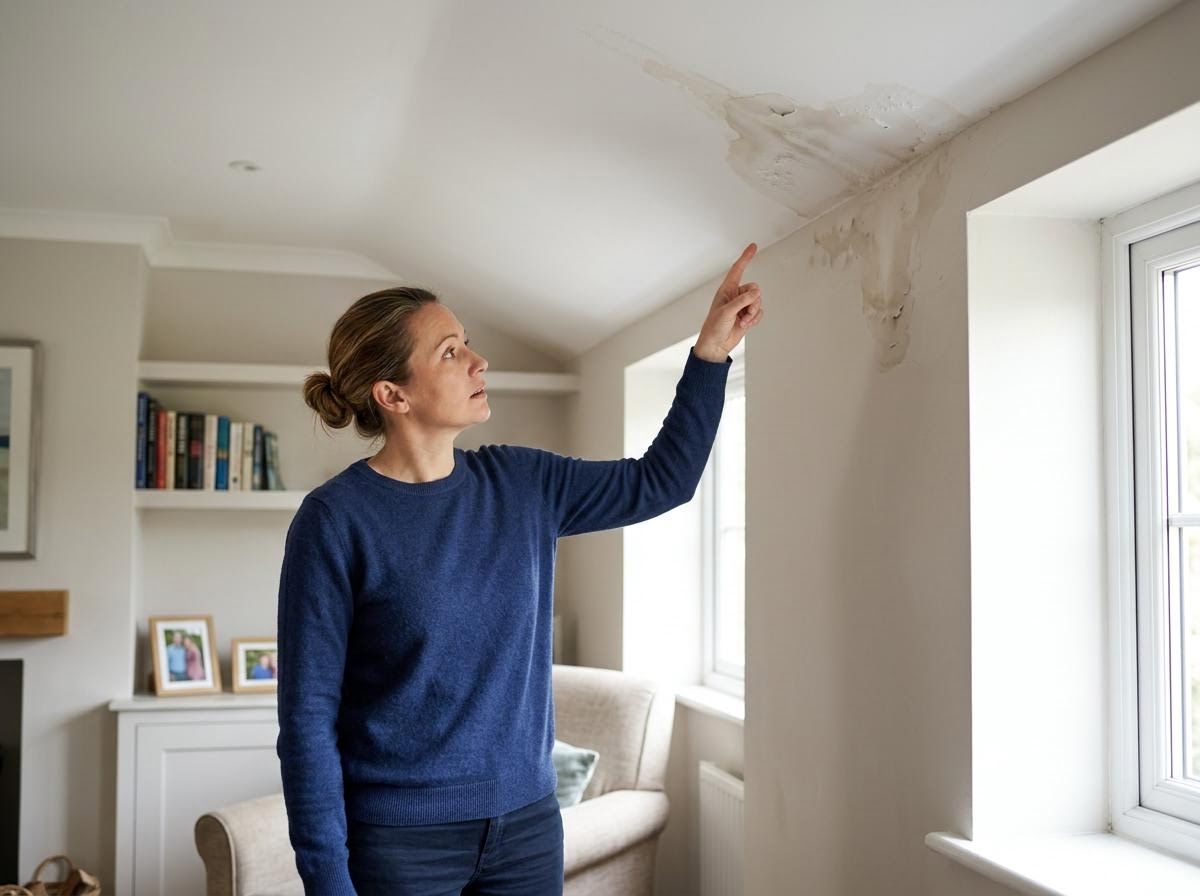
Sometimes, the first signs of flashing problems appear inside your home. Water stains on ceilings or walls, particularly those located directly below roof penetrations like chimneys or plumbing vents, are a strong indicator of a leak originating from compromised flashing. Musty odors, peeling paint, or bubbling drywall in these areas also suggest water intrusion. In more severe cases, you might even notice visible mold growth, which is a health hazard and a sign of prolonged moisture issues. These interior clues often mean the problem has been present for some time and requires immediate attention.
The Serious Consequences of Neglecting Repairs
Ignoring damaged roof flashing can lead to a cascade of expensive and structural problems. What might start as a small, seemingly insignificant leak can quickly escalate, causing extensive water damage to insulation, wooden framing, and interior finishes. This can weaken your home's structure, promote mold and mildew growth, and even create electrical hazards. Furthermore, prolonged moisture can attract pests and significantly reduce your roof's overall lifespan, turning a minor repair into a complete roof replacement project far sooner than necessary. Addressing flashing issues promptly is crucial for maintaining your home's integrity and value.
Protecting your home from water damage starts with recognizing and addressing vulnerabilities like damaged roof flashing. Being proactive about inspections and repairs can prevent minor issues from becoming major headaches, saving you time, money, and stress. If you suspect your flashing may be compromised or simply want a professional assessment, contact Strata Roofing & Construction to ensure your roof is providing the reliable protection your home deserves.