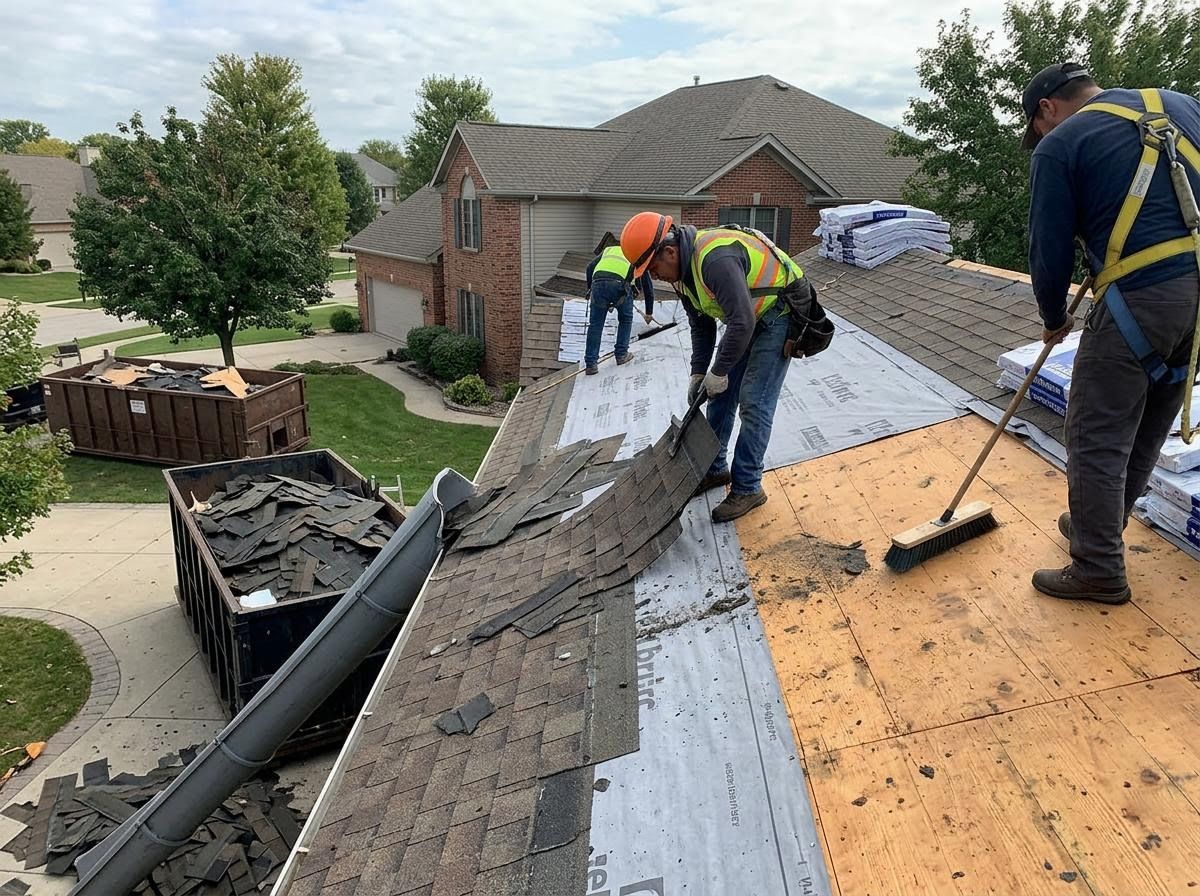
When it comes time to replace your roof, many homeowners find themselves weighing a common question: can a new roof simply be installed over the existing one, or is a complete removal necessary? This decision isn't always straightforward, as there are two primary approaches – an overlay (often called re-roofing) or a complete tear-off – each with distinct advantages and considerations. Understanding the differences between these methods is crucial for making an informed choice that best protects your home for years to come, and at Strata Roofing & Construction, we're here to help clarify these options.
Understanding the Roof Overlay (Re-Roofing) Method
An overlay, or re-roofing, involves installing new shingles directly over your existing roof. This method can seem appealing due to its potentially lower upfront costs and quicker installation time. Since the old roofing material isn't removed, there's less labor involved and less debris to dispose of, which can translate into savings. It can be a viable option if your current roof has only one layer of shingles, is structurally sound, and shows no signs of significant underlying damage like rot or widespread water penetration. However, it's important to note that an overlay effectively hides the existing roof, making it impossible to inspect the decking or identify any hidden issues that could compromise the new roof's integrity.
The Comprehensive Approach: A Complete Tear-Off
A complete tear-off involves removing all existing roofing materials down to the roof deck before installing new underlayment and shingles. While this method is generally more labor-intensive and has a higher initial cost, it offers several significant benefits. A tear-off allows for a thorough inspection of the roof deck, enabling contractors to identify and repair any damaged or rotting wood before the new roof goes on. This ensures a solid foundation for your new roofing system, leading to better performance, enhanced durability, and often a longer lifespan for your investment. Furthermore, removing old layers prevents the added weight that multiple layers can impose on your home's structure and ensures your new roof is installed according to manufacturer specifications for warranty purposes.
Key Factors to Consider When Deciding
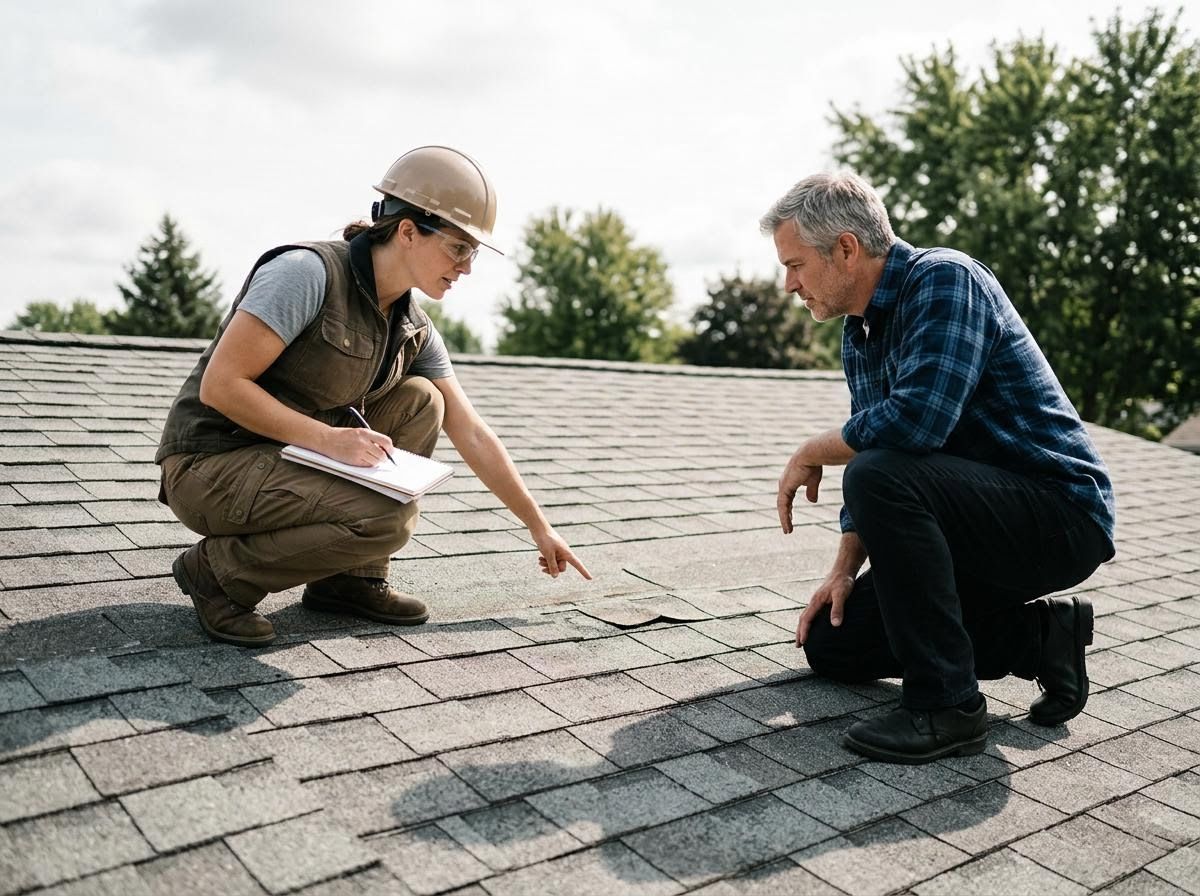
Choosing between an overlay and a tear-off requires careful consideration of several factors. First, check your local building codes, as many jurisdictions limit the number of shingle layers allowed on a roof, typically to two. The condition of your existing roof is paramount; if there are significant soft spots, widespread water damage, or structural issues, a tear-off is almost always necessary. Your long-term plans for the home and your budget also play a role. While an overlay might save money in the short term, a tear-off often provides greater peace of mind and a longer-lasting solution, potentially saving you more in future repairs. Consulting with a professional roofing contractor is essential to assess your specific situation accurately.
Choosing the right roofing method is a significant investment in your home's future, impacting its protection, longevity, and value. While an overlay can offer short-term savings and quicker installation, a complete tear-off often provides a more robust and lasting solution by allowing for a thorough inspection and repair of the underlying structure. Ultimately, the best approach depends on your specific roof's current condition, local regulations, and your long-term goals for your property. For expert guidance on whether a tear-off or an overlay is the most suitable option for your home, we encourage you to schedule a comprehensive roof inspection with Strata Roofing & Construction to discuss your needs and receive a personalized recommendation.