
Texas winters are famous for "blue northers" that drop temperatures 40 degrees in a matter of hours. At Strata Roofing and Construction, we see firsthand how these rapid swings stress residential roofing. When materials expand and contract too quickly, it creates "thermal shock," leading to hidden damage that often goes unnoticed until the spring rains arrive.
Winter in Texas: How Rapid Temperature Swings Affect Your Roof
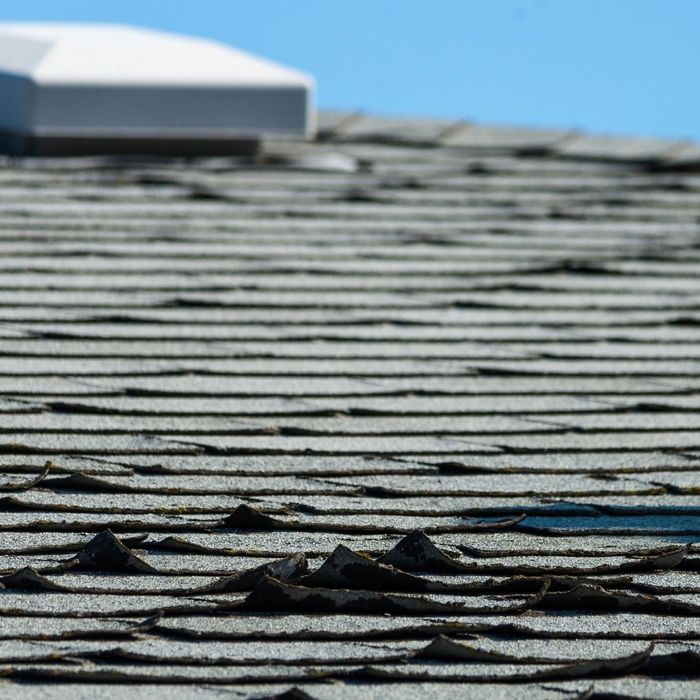
Shingle Brittleness and Cracking
As asphalt shingles age, they lose their flexibility. During a sudden freeze, these shingles can become brittle. The rapid contraction caused by a cold front can lead to hairline cracks or shingles "tenting" and pulling away from their fasteners, leaving your home’s underlayment vulnerable to moisture.
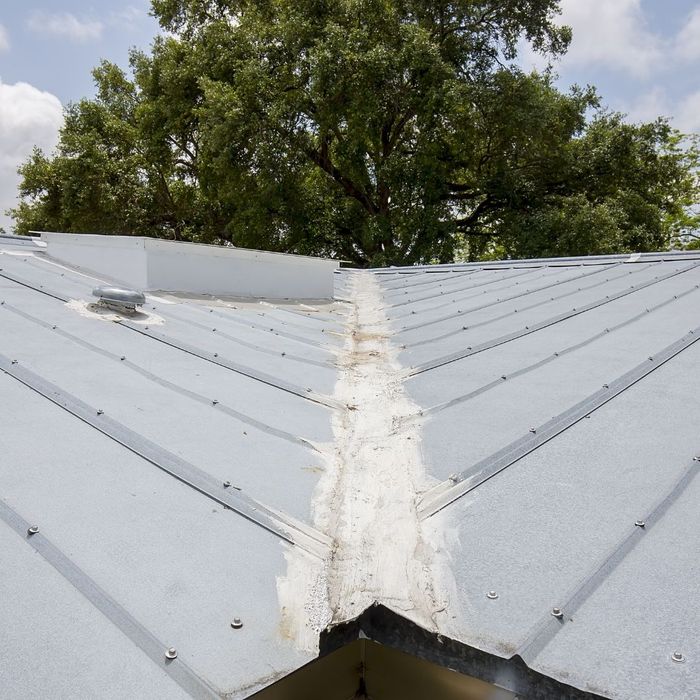
Flashings and Sealant Failure
Metal flashing and rubber sealants expand and contract at different rates than shingles. This mismatch often causes seals around chimneys, vents, and valleys to break. Once a seal is compromised by a temperature swing, water from melting frost or winter rain can easily seep into your attic.
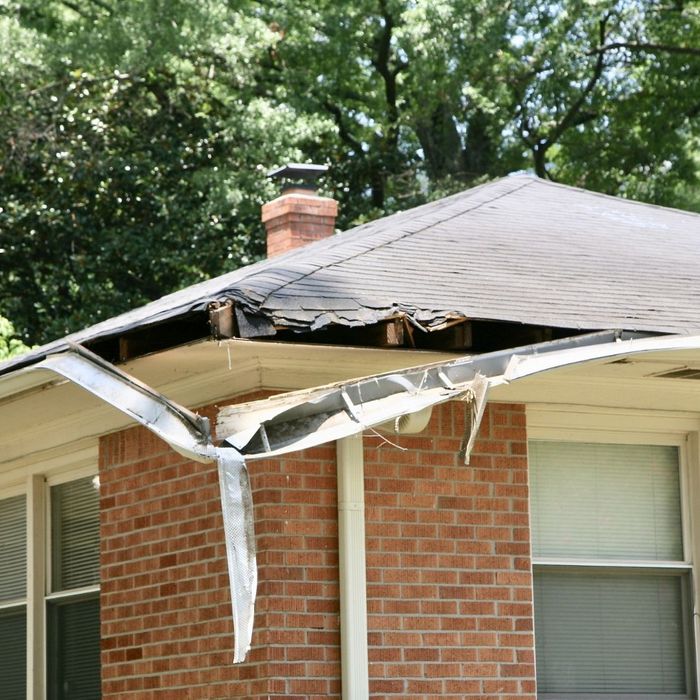
Gutter Expansion and Contraction
Gutters are highly susceptible to temperature changes. Metal gutters can warp or pull away from the fascia board if the fluctuations are extreme. This creates gaps where water can overflow and rot the wood structure of your roofline, leading to expensive repairs during the next heavy rain.
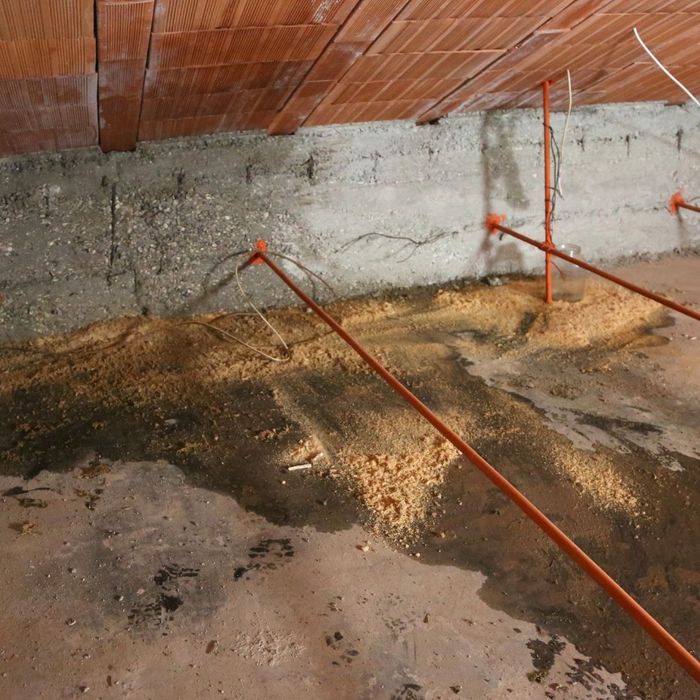
Condensation and Attic Moisture
Rapid cooling outside while your heater is running inside creates a temperature clash. Without proper ventilation, moisture can condense on the underside of your roof deck. This trapped dampness leads to mold growth and weakened wood, which a professional inspection can help identify before it becomes a structural issue.
Thermal shock is a silent threat to Houston properties. Ensure your home is ready for the next cold front by partnering with the experts at Strata Roofing and Construction. Contact us today for a professional winter roof assessment to keep your family warm and dry.